The announcement of the International Internet Short-film Festival "Diogenes 2026"
Slogan: Cinema Without Borders
The 18th annual SiciliAmbiente Film Festival will take on July 13-18, 2026.
SiciliAmbiente Film Festival aims to promote independent and documentary cinema while fostering creative exchange and networking among filmmakers.
The Festival is organized and sponsored by Demetra Produzioni SAS and Cultural Association CANTIERE 7, with support from public and private partners and sponsors who share the Festival's ethical values.
The Festival accepts films that address:
Environment / Anthropology / Human Rights / Biodiversity / War / Integration / Civil Rights / Sustainable Development / Human-Environment Relationships
The Festival is divided into the following sections:
- Documentary Competition (minimum runtime: 31 minutes)
- Fiction Feature Competition (minimum runtime: 70 minutes)
- Fiction and Documentary Short Film Competition (maximum runtime: 31 minutes)
- Animation Short Film Competition (maximum runtime: 31 minutes)
- Screenings of documentaries, fiction films, short films, tributes, retrospectives, seminars and panel discussions
The Selection Committee will assess films based on the quality of their writing, cinematography and creative language.
You’ve chosen to film. Chosen to put together a visual piece of art if we may say so. Today when anyone with a camera can, in theory, make a film... how will you make your short film stand out? What you intend to do with your film is what the Bengaluru International Short Film Festival is all about. We will be what you create.
After the tremendous success that was BISFF 2026, we are all set to host the 17th edition. Just as every year, this is an attempt to understand the medium a little better and go a little further in inventing new forms of storytelling as filmmakers.
This year the Festival will be a HYBRID Version, having both Online and Venue Screenings. Online Screenings will be only for INDIAN Geography
The festival showcases shorts from across the world, creating a physical space for a great audience experience and bringing together a keen audience for the filmmakers. BISFF also exhibits works by past masters who have dabbled in short filmmaking that today is viewed as an art form that needs a unique approach. Additionally, the festival presents talks and panel discussions with leading thinkers and industry practitioners, enabling budding makers to interact with the best in the industry. BISFF also includes hands on learning experiences in workshops and demonstrations by professionals, putting together an exclusive audience experience and perhaps space for makers to find what they are looking for.
The Molins Film Festival, established in 1973 in Molins de Rei (Barcelona), will celebrate its 45th edition in November 2026. Known as TerrorMolins, the festival features a competitive Feature Films Official Section, Short Films Official Section, Retrospectives, Documentaries, Live shows, Workshops, Networking/Pitching sessions, and projections for both high schools and children. It also hosts one the oldest horror hours movie marathon in Europe, the 12 Hours Horror Movies Marathon (since 1973).
MHFF - Molins Horror Film Festival is one of the oldest festivals dedicated solely to horror in Spain and Europe. The festival is a proud member of the Méliès International Festivals Federation (MIFF).
The You Are the Judge Web3 International Film Festival, brought to you by the creators of WTe, the Web3 film-watching and trading platform, redefines the festival experience by letting audiences decide the winners with NFT Festival Passes.
With the motto "You are the judge, everyone is a judge," we democratize film selection, focusing on Drama, Horror, Action, and Erotica. Our goal is to find films that blend artistic expression with commercial potential, fostering a community-driven environment using Web3 technology.
Award winners receive prize money in USDT on a specified blockchain, along with free international distribution services. We promote the winning films globally, returning the distribution revenue directly to filmmakers. We believe in the commercial value of films selected by our audience.
Join over 500 filmmakers and 3,000 film fans from 50+ countries for a unique mix of screenings, Q&A sessions, and discussions.
You Are the Judge Web3 International Film Festival is not just a celebration of cinema; it's a pioneering event at the intersection of creativity, technology, and community, embracing the decentralized future of the film industry.
Save the dates for our highly anticipated 7th edition, set against the backdrop of Beijing, China, from December 27th to 29th, 2025. We welcome submissions across four categories: Drama (short & feature), Action (short & feature), Horror (short & feature), and Erotica (short only).
**********
"你是评委"Web3国际影展由WTe发起创办,通过大众评审现场投票确定获奖影片,把内容"好坏"的定义权交给观众。"你是评委"影展立足大众视角,推崇观众热爱,致力于把兼顾艺术表达与商业价值的电影短片作品推向国际市场。
电影节将为大众评选出的优胜影片提供国际宣传发行服务,投票观众可在一定程度上参与获奖影片发行分成。
第七届电影节将于12月27-29日在北京举办。
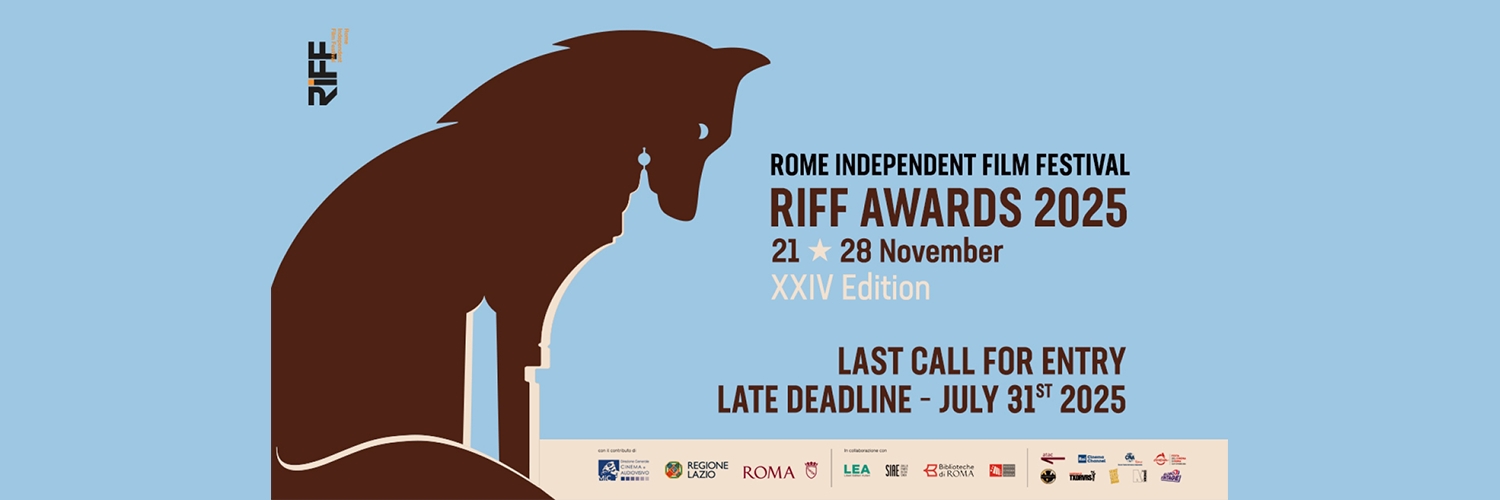
The Rome Independent Film Festival (RIFF) is Italy 's first independent and international film festival. Its aim is to unite enthusiasm for films and filmmaking among young filmmakers with the realities of film production and distribution.Since its first edition in 2001, RIFF has become an event that is followed with more and more interest by the public in Rome and a reference for worldwide filmmakers. In these years, the Riff has received works coming from the 5 continents, ending up being an attentive witness representative of the directions and passions of the independent film industry.
(r)evolution AI - the RIFF new section dedicated to the production of films and videos with the application of AI technology.
From this year the RIFF celebrates visual storytelling created with artificial intelligence.
This new competition section promotes innovative applications of AI technology in audiovisual production and presentation.
ITALIAN HORROR FANTASY FEST is the new name of the Festival organized by Lu.Pa. Film in Rome, which holds all the rights to the title and logo of the event.
Previously known as ITALIAN HORROR FILM FESTIVAL and ITALIAN HORROR FEST, the name change was officially confirmed for the 2021 edition, embracing the fantasy genre in all its variations.
The festival aims to draw attention to the finest expressions of Italian and international horror, thriller, and fantasy cinema, celebrating and paying tribute to both the great masters whose works have contributed to spreading Italian cinematography worldwide and the young authors continuing this glorious artistic tradition. Simultaneously, the festival intends to be a meeting and discussion point for various genre cinematographies.
This idea is implemented by the artistic director, producer and film director Luigi Pastore, who coordinates the harmonization of the program and makes use of an expert commission appointed by him. Based on respective delegations, Pastore assigns responsibility for specific sections to each member of the commission.
PRESENTATION OF FESTIVAL
The International Imago Film Festival was born with the idea of promoting cinema, especially independent cinema, by encouraging research and experimentation with cinematographic language.
The idea of the festival was born from the meeting of IMAGO with the city of Civitella del Tronto, where the award-winning film "The right to happiness" by Claudio Rossi Massimi was made by IMAGO.
After the first two editions in the wonderful setting of Civitella del Tronto, the Festival has moved to the Municipality of Teramo with a broad cultural program, full of new features that go beyond national borders and that strengthens and highlights this fascinating bond.
The International Imago Film Festival will be all this and much more.
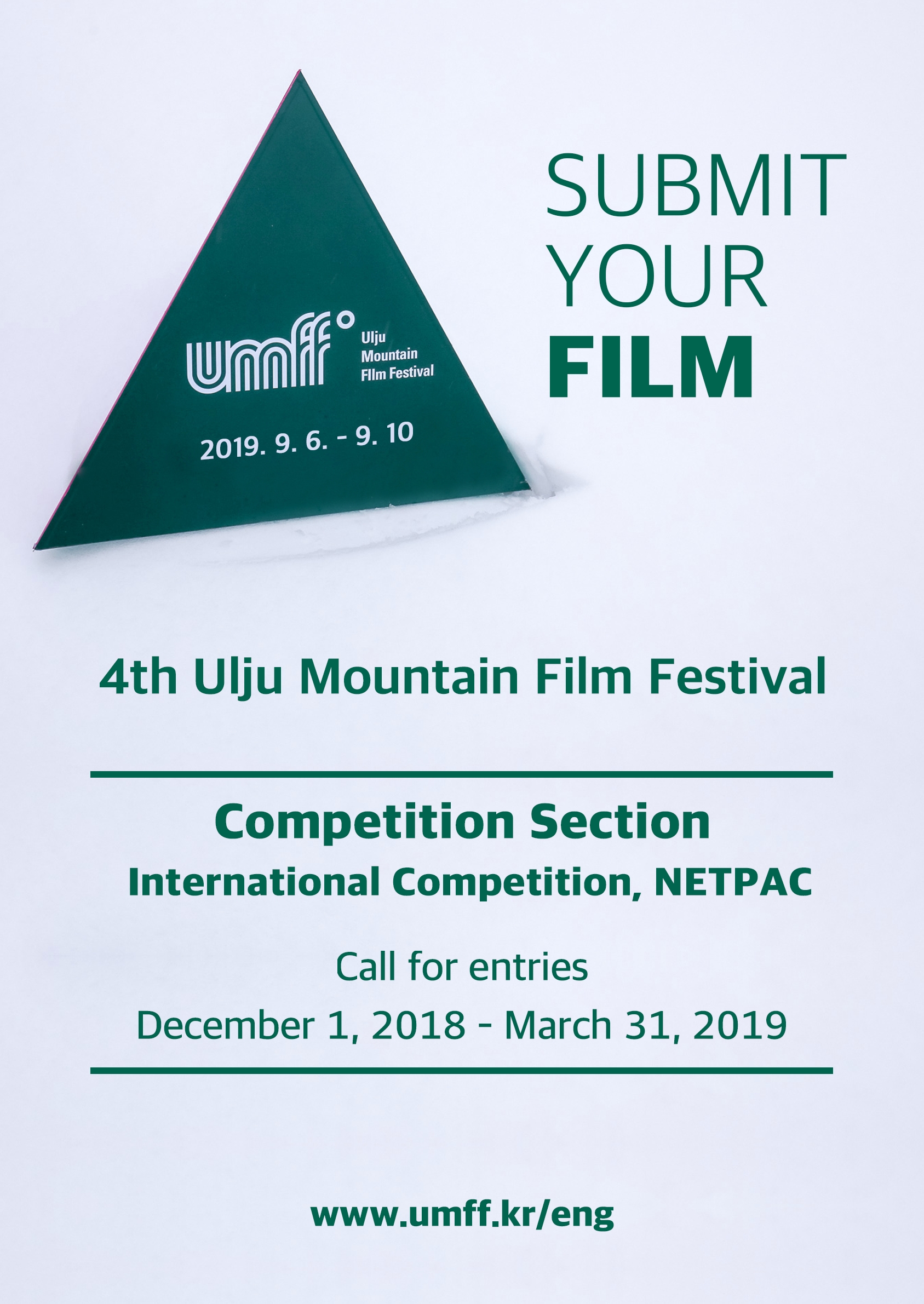
Ulsan Ulju Mountain Film Festival(UMFF) is the first international mountain film festival in South Korea, dedicated to presenting and promoting films & culture dealing with mountains, adventure, exploration, nature, and the environment. The festival also provides an opportunity for filmmakers and mountaineers to meet and exchange ideas through seminars, events, screenings, and social gatherings.
The 11th UMFF will be held in Ulsan & Ulju, South Korea in autumn, 2026.
RE-FRAME: Debut Film Festival Vienna is now open for submissions for its 2nd edition!
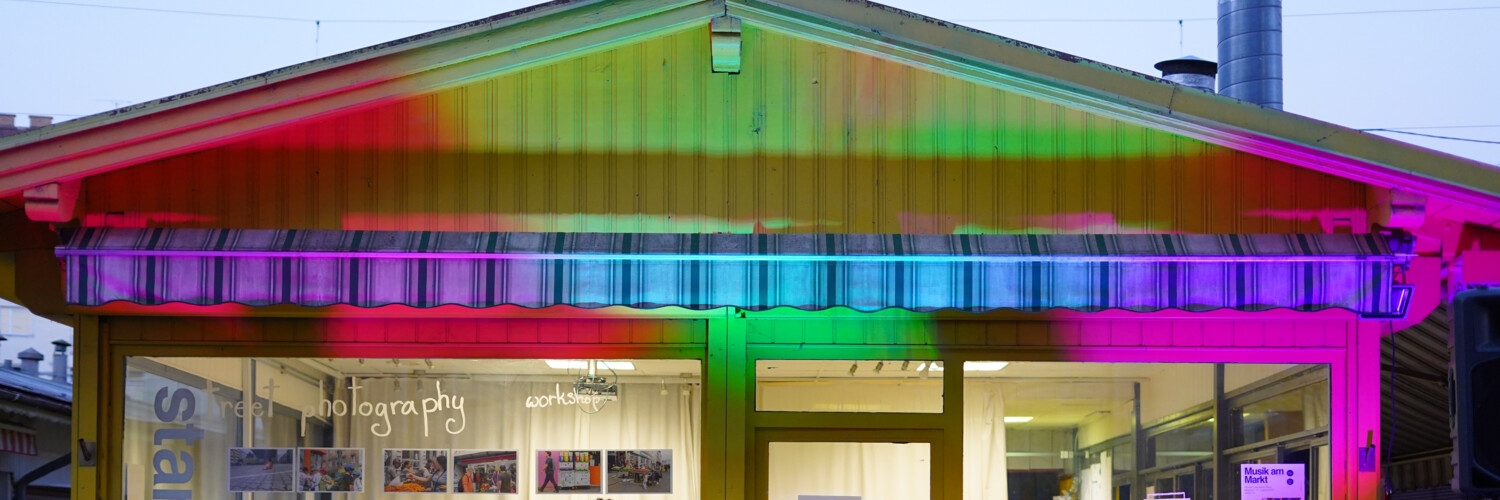
Last year we had a fantastic experience at Stand129 in Vienna! In 2024 we are expanding our horizons with extra screening days, more invited guests, free filmmaking workshops and… presenting selected films from both this and 1st edition in a special programme in Basque Country (Spain) and Italy.
We are inviting young international filmmakers from the FLINTA* community to submit their debut short films to us. Additionally, we focus on low-budget independent productions (films with a budget of less than EUR 7500) to give space to unconventional stories and artistic approaches to filmmaking.
The selected films for the Viennese edition will be screened in June 2024 at Stand129 on Viktor-Adler-Markt at Stand129. We invite all selected filmmakers to take part in the festival and present their works in person. RE-FRAME provides a limited amount of free housing options for whom it is necessary. Those who are not able to join in person are welcome for a post-screening discussion via Zoom.
Additional curated programs will be presented in Club Ricreativo Di Pignolo (Bergamo) and SAMA (Vitoria-Gasteiz).
RE-FRAME is initiated and curated by (ex)-volunteers of the European Solidarity Corps programme and participants of a Solidarity Project in collaboration with Stand129 and Kulturhaus Brotfabrik.
*The acronym FLINTA stands for women, lesbians, intersex, non-binary, trans and agender people - all those who are patriarchally discriminated against because of their gender identity.
ANTARES - International Film Festival of Labor and Profession.
The Antares Film Festival showcases films where work is not just a backdrop, but the heart of the story. We prioritize talented works that use the protagonist's profession as the foundation of their drama, allowing us to explore characters, conflicts, dreams, and achievements.
Our focus is on individuals whose hands and minds perform everyday feats, such as steelworkers and teachers, doctors and farmers, engineers and fishermen. We value stories where work is not just a job, but a destiny. Where a machine, a blackboard, an operating room, or a construction site becomes a space for personal growth, struggle, triumph, or tragedy.
The festival was initiated by the Association of Employers "Safety and Quality". The film festival was produced by: Open Communication Group LLC
The Castelli Romani International Film Festival is a new festival, in its eighth edition.
An initiative of the Punto e Virgola Foundation is born, with the aim of creating a moment of cultural and social aggregation, an experience of cooperation and integration.
CINEMA, as a means of international communication, of comparison with other critical, development and promotion contents; FESTIVAL, as a competition and exhibition of titles and personalities from all over the world; ROMAN CASTLES, because the territory enhances, creating even more cultural specificities at the service of international attractiveness.
The Punto e Virgola Foundation, committed to developing proposals that promote the cultural opportunities present in the territory, sees cinema as a vehicle through which a territory can start a process of cultural growth capable of triggering development mechanisms together with the activities of the territory itself. In this case the territory is the splendid reality of the Castelli Romani, places full of ancient villas, ancient ruins and breathtaking views, as well as a generous food and wine offering.
The aim of the festival is to promote international competitiveness by attraction, a theme that governs and territories not only because it is also possible to communicate and communicate.
A territory has social value, exchange value and experience value, but also cultural value and economic value.
And the theme of change between economy, experience and culture is what pushed us to focus on the Castelli Romani, so that the Municipalities located in this splendid geographical area can exchange experiences with each other, with the spectators, with the international panorama in which the initiative places them.
The Punto e Virgola Foundation has the ambitious objective of hosting the Festival in all the Municipalities of the Castelli Romani, spreading the culture of cinema which gives us the privilege of knowing the history of countries and peoples distant from each other, encouraging the approach to wealth and the charm of otherness.
It have been already Sixteen years of this festival, which year after year, with firm step, has expanded its proposals for good cinema. Lies far away 1999, when sponsored by the humoristic duo Gomaespuma and M-80 Radio began the first edition of the festival with the slogan “the Indians are coming! ”. Eventually Imagineindia has internationalized, showing films from all over the world while those from Asia are still assuming the bulk of the festival.
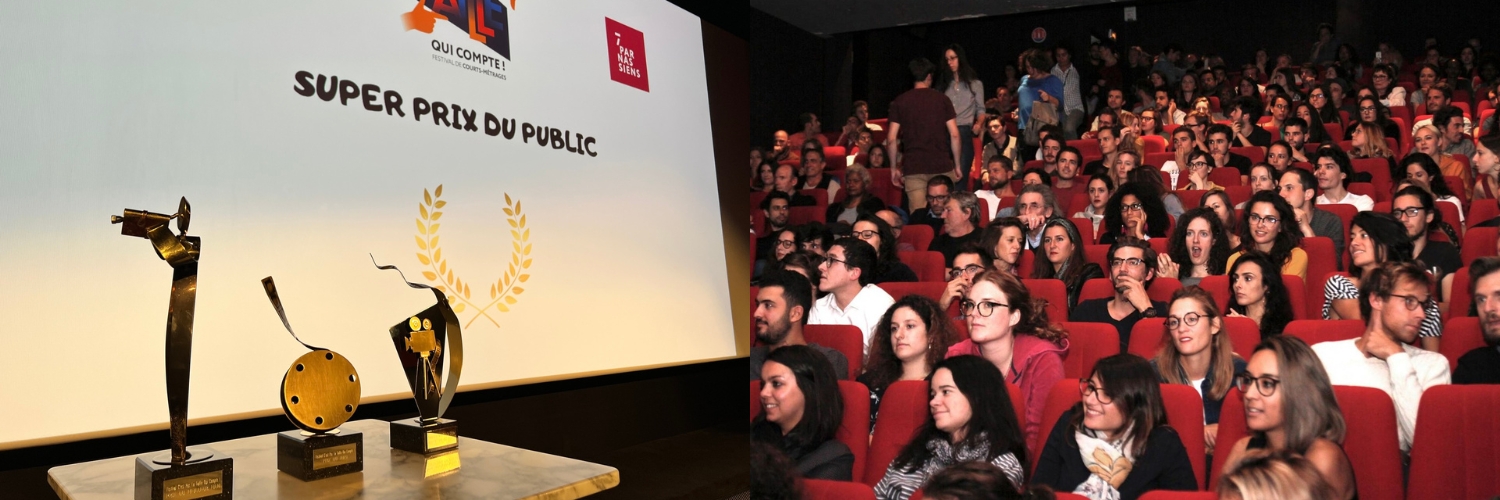
We are a monthly short film festival which takes place one Monday per month at the Cinéma les 5 Caumartin in PARIS. We award ONE PUBLIC AWARD per edition. This prize gives access the following year to the GRAND FESTIVAL where the best film prize, jury prize and super audience prize will be awarded in front of a jury of professionals. Come and try your luck!
African Short Film Observatory Showcase 2024: Celebrating African Cinema
Join us in May for an extraordinary cinematic journey at the African Short Film Observatory Showcase. This online festival is dedicated to the captivating world of African short films, where storytelling and culture blend in exquisite harmony. Our goal is to illuminate the incredible talents behind these films, empowering them and the African cinematic landscape through a comprehensive study of the short film medium.
What to Expect:
Diverse Short Films: Explore a curated selection of short films from African creators. These films span various genres including fiction, documentary, animation, and experimental.
Artist Spotlight: We believe in celebrating the artists behind the films. Through Q&A sessions and in-depth discussions, you'll gain insight into the creative minds shaping the future of African cinema.
Cultural Exploration: Immerse yourself in the rich tapestry of African culture and storytelling. The films selected for the showcase either come from African creators or delve deep into African themes, offering a unique lens into the continent's narratives.
Empowerment: The heart of our mission is to empower filmmakers. Through insightful studies, analyses, and collaborative initiatives, we aim to elevate African cinema on the global stage. We believe in the importance of independant and student films and want to share them to the world!
Community Engagement: Join a vibrant community of film enthusiasts, creators, and scholars who share your passion for the magic of short films and the African cinematic experience.
The African Short Film Observatory Showcase 2024 is a celebration of African creativity and a platform for artists to shine. We invite you to be a part of this remarkable journey as we honor the power of storytelling and the voices that enrich the world of cinema. Together, let's elevate African cinema and its incredible artists.
Save the date and stay tuned for updates on our website and social media channels. Be on the lookout for our showcase. See you in May for our first edition!
Around International Awards ✈ Barcelona ✈ Paris ✈ Amsterdam ✈ Berlin.
Annual Independent event with 4 major programs for all Features, Shorts, Documentaries, Experimental, Commercial, Music Video, Animations, Student Films, TV, Series, and New Media. The international community evaluates the all-genre creations to serve ARFF Official Laurels and to certify the awarded filmmakers at the end of the annual festival run. Thus, all the ARFF Finalists will be mentioned multiple times to have the best out of the entire year altogether. Submit today to participate in all 4 programs, regarding the unique system of ARFF International.
Submissions made via Festhome are getting evaluated and selected, directly for the yearly festival run and participating in the Official Certificate Program exclusively. Monthly selection is available on other associated platforms. Regarding the Unification Program of ARFF International, all 4 editions will gather at Amsterddam November/December 2024, till then Barcelona, Paris & Berlin editions will take place online.
See you Around & Fest Regards
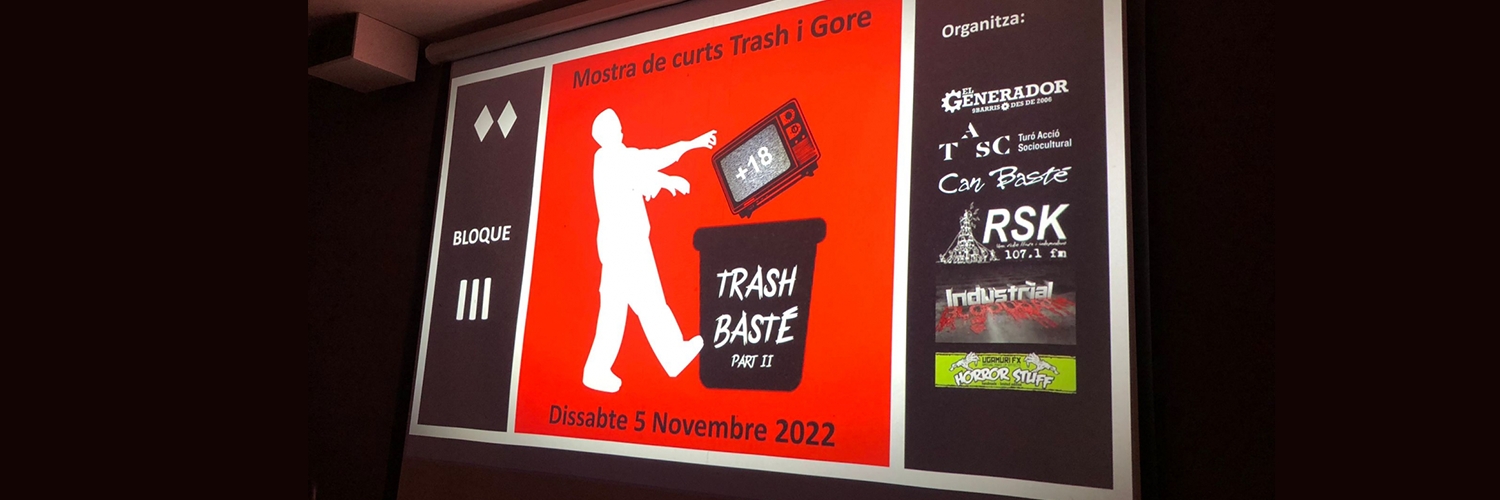
The Trash Basté festival was born in 2021, thanks to our passion for the Trash and Gore genres. In its first edition we screened a sample of short films trash, gore, terror... and low budget. Due to the great reception of the public, we decided to make a second edition in 2022 transforming it into a festival, where we include a market with terrifying products and a final party concert with horror-punk and extreme metal bands, without forgetting a bar service at popular prices. In the third edition, apart from the usual exhibition, as a novelty we had a section with short films in competition that is here to stay.
Since our beginnings, we have been enemies of censorship and we like to project the most bizarre and bloody shorts we can find. So don't be shy, we're looking for you to send us those crappy shorts with blood made with your friends, without a budget and with grace, with a lot of blood and dismemberments... We like offensive shorts. It's all good for us if it's dark, bloody, terrifying, fantastic or trash.
The Festival Internacional de Cortometraje UVAQ (FICUVAQ) invites filmmakers, audiovisual creators, students and independent directors from Mexico and around the world to participate in its 19th Edition.
The curatorial axis of this edition is Feel Good Movies, understood as a cinematic exploration of stories that connect with audiences through empathy, sensitivity and humanity. It is not limited to optimistic narratives or happy endings, but to works that find emotional resonance, closeness or meaning in the human experience.
Pest Control Film Festival is a Michigan-based festival committed to screening the horrific, the bizarre, the esoteric, and all other disquieting cinematic subgenres. Our brand has a wide range suited for equally wide reach: traditional horror, B-movie schlock, experimental oddities, grindhouse glory, animated aberrations, and the like. We encourage submissions that think outside the box and dare to challenge their audience.